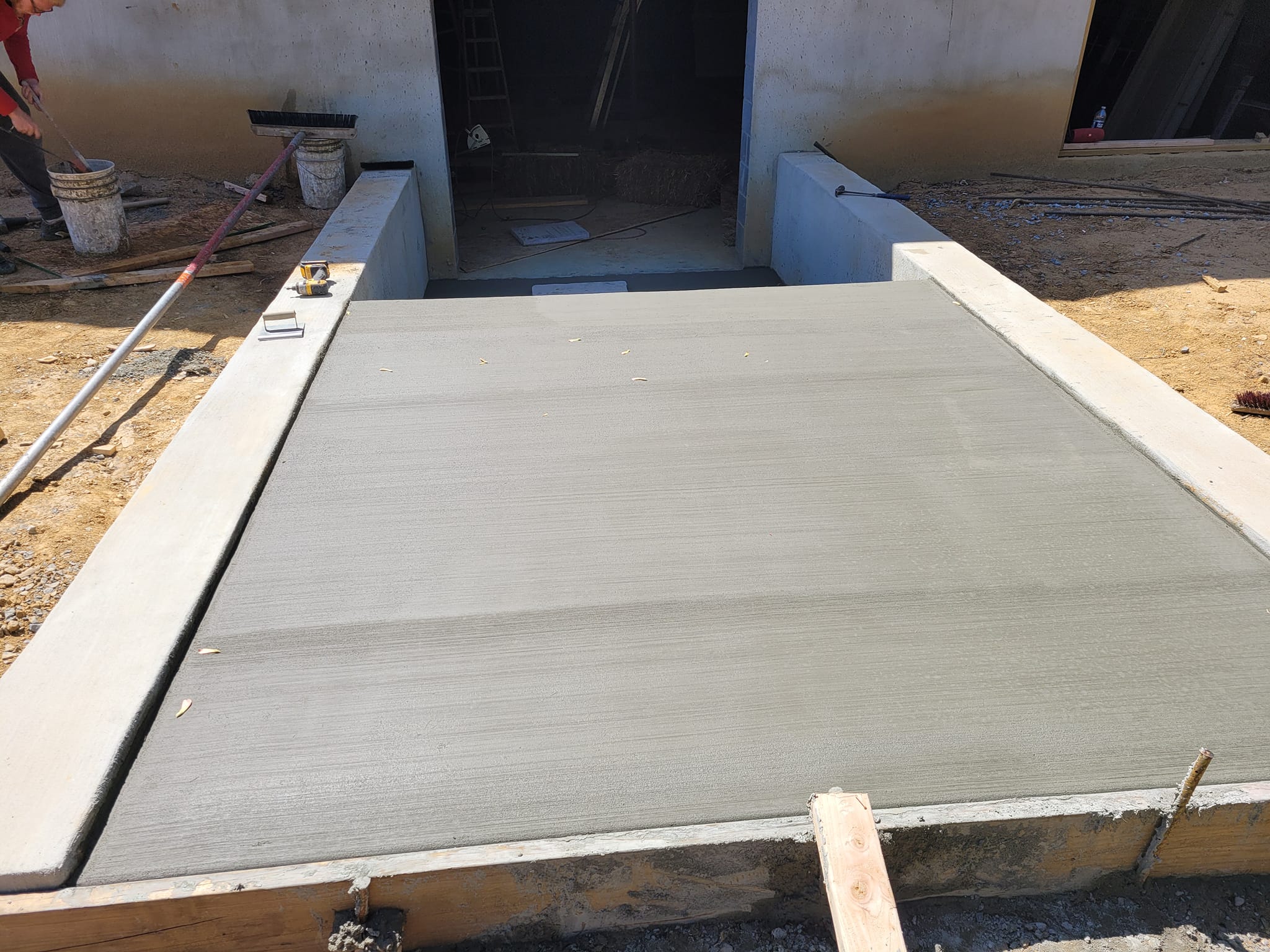
The Evolution of Concrete: Tracing the History and Future Trends in Concrete Design Mar 02, 2026
The history of concrete dates back to ancient times, with historical records indicating its early use by the Egyptians and Chinese. However, it was the Romans who truly mastered the art of concrete, creating impressive structures such as the Pantheon with its massive domed roof, which remains one of the largest of its kind today. Roman concrete, or "opus caementicium," was known for its durability and ability to withstand the test of time, thanks largely to volcanic ash mixed within its composition.
As centuries passed, the use of concrete waned until its reemergence in the 18th century. The modern era of concrete began with the advent of Portland cement in the early 19th century. This critical advancement, born out of necessity and innovation, enabled the production of a stronger, quicker-setting material that laid the groundwork for a new age of construction methods and architectural possibilities.
In the 20th century, concrete's versatility truly came to light. The development of reinforced concrete, which incorporates steel bars to enhance tensile strength, expanded its application to include high-rise buildings, bridges, and expansive infrastructure projects. As urbanization grew, so did the need for concrete, leading to innovations such as pre-stressed concrete, which offers increased load-bearing capacity.
Today, concrete remains the most widely used building material on the planet, valued for its durability, affordability, and adaptability. However, as we face modern challenges, such as climate change and resource scarcity, the concrete industry must evolve once more. The future of concrete design focuses on sustainability and efficiency, with transformative trends emerging to address these pressing concerns.
One prominent innovation in this sphere is the development of green concrete. Green concrete aims to reduce the carbon footprint associated with traditional cement production, which contributes to a significant percentage of global CO2 emissions. This eco-friendly variety incorporates industrial byproducts like fly ash or blast furnace slag, promising reduced environmental impact without sacrificing performance.
Furthermore, advances in digital technology and automation are revolutionizing the concrete industry. 3D-printed concrete structures showcase the potential for innovative design alongside reduced waste and labor costs. This technological leap enables architects to explore complex shapes and designs that were previously difficult or impossible to achieve.
Another burgeoning trend is the use of self-healing concrete, which incorporates bacteria that produce limestone when exposed to air and moisture, effectively closing cracks and prolonging the life of structures. Such materials are invaluable in ensuring the longevity and integrity of infrastructure, particularly in areas prone to natural disasters or harsh climates.
In conclusion, the evolution of concrete is a testament to human ingenuity and adaptability, reflecting our ability to harness natural materials creatively and sustainably. At C&T Concrete, we are committed to staying at the forefront of these advancements, providing our clients with cutting-edge solutions that meet today's demands while fostering a sustainable future. As we continue to innovate and adapt, we invite you to join us on this exciting journey towards a more resilient built environment.
/filters:no_upscale()/filters:format(webp)/media/8bead680-1c6b-4b3f-9730-e40e3c966df7.jpg)
/filters:no_upscale()/filters:format(webp)/media/514c6548-4c3c-44ef-acb2-ac02d0869523.jpeg)