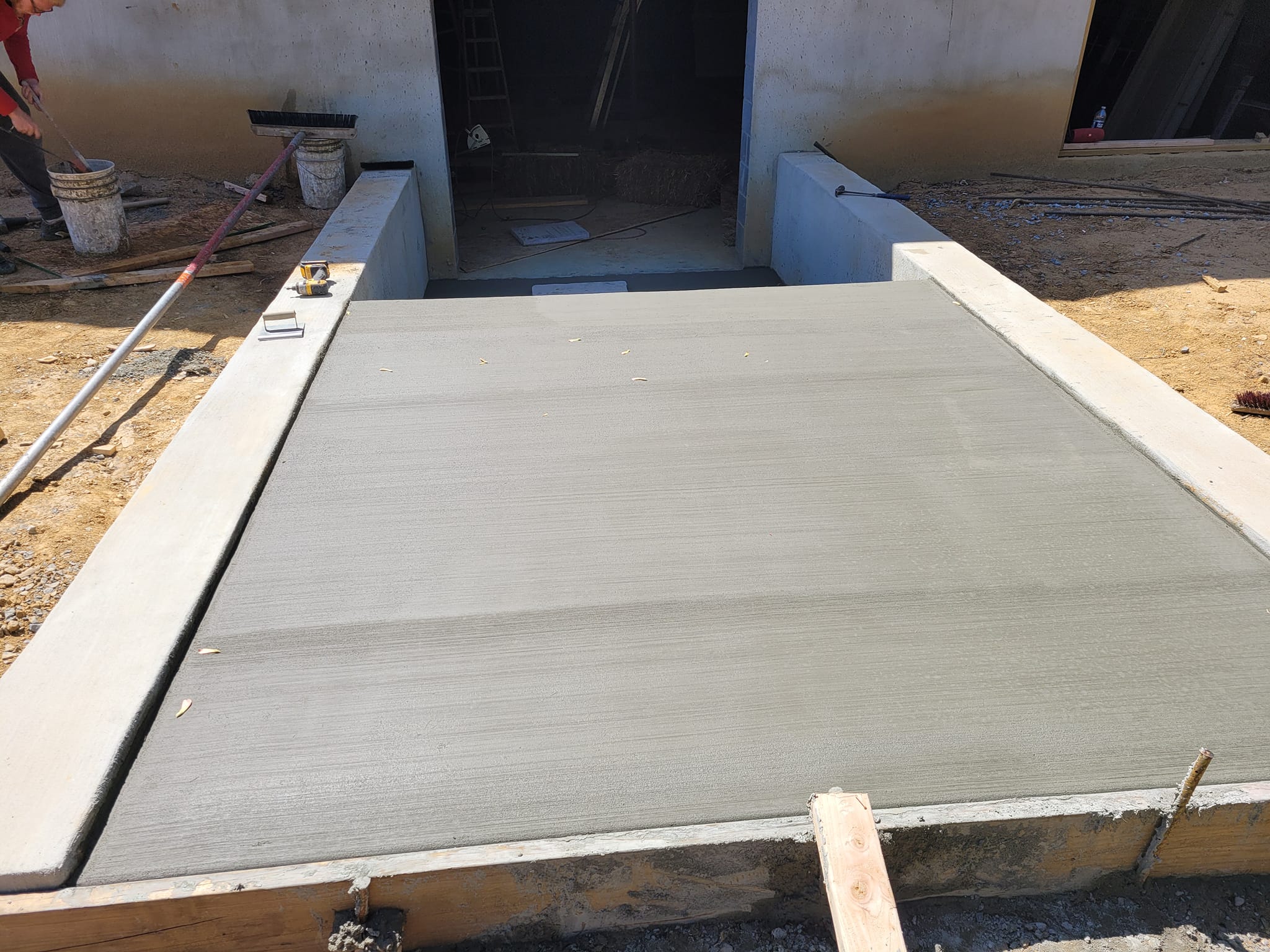
Maximizing Longevity: Essential Maintenance Tips for Concrete Installations Feb 08, 2026
First and foremost, start with a simple yet crucial step: regular cleaning. Concrete surfaces can accumulate dirt, grime, and even moss or algae over time. These not only detract from its appearance but can also lead to deterioration if left unchecked. Use a broom to sweep away debris routinely and employ a pressure washer for more stubborn stains. Pressure washing your concrete every six to twelve months can remove accumulated residue that a broom might miss. Just be cautious with the pressure setting to avoid surface damage.
Next, consider sealing your concrete. Sealing is one of the most effective ways to protect it from water, oil, and chemical spills that could lead to staining or structural weakening. Concrete sealers provide a barrier that prevents absorption and extends the life of the material. For outdoor installations, opt for a sealant specifically designed to withstand weather conditions. Reapplying the sealant every 2-3 years is recommended, but this frequency might vary based on the concrete’s exposure to traffic and the elements.
Another essential tip is to address cracks promptly. Even though concrete is strong, temperature fluctuations and ground movement can cause it to crack. These cracks, if ignored, can widen over time and allow moisture to penetrate deeper, potentially leading to more severe issues. Use a concrete repair caulk or filler to seal these cracks. This not only stops water ingress but also helps to reintegrate the visual appearance of the concrete surface.
Additionally, be mindful of water drainage around your concrete. Poor drainage can lead to water pooling, which might freeze and cause cracking in colder climates. Ensure that water is directed away from concrete surfaces, and consider installing drainage solutions if necessary. This can be as simple as adjusting the grading of your landscape or installing a gutter system to handle excess rainwater.
Furthermore, protect your concrete from excessive load and harsh chemicals. While concrete is resilient, heavy stationary loads can cause stress on any point of the surface. Similarly, chemicals like de-icing salts used in winter can exploit vulnerabilities created by small cracks, exacerbating them after repeated exposure. Opt for alternatives such as sand to increase traction without the corrosive side effects.
In conclusion, while concrete is inherently durable, these simple yet effective maintenance tips can significantly prolong the life and health of your installations. Regular cleaning, sealing, prompt crack repairs, proper drainage, and mindful use can all contribute to preserving your concrete's appearance and integrity. At C&T Concrete, we stress that proactive maintenance can save you from the inconvenience and cost of major repairs down the road, ensuring that your investment remains intact and impressive. By incorporating these practical steps, you can maximize the longevity of your concrete installations, keeping them in top-notch condition for years to come.
/filters:no_upscale()/filters:format(webp)/media/8bead680-1c6b-4b3f-9730-e40e3c966df7.jpg)
/filters:no_upscale()/filters:format(webp)/media/514c6548-4c3c-44ef-acb2-ac02d0869523.jpeg)